

Introduction
Look, I’ve spent years working with villages across India that don’t have power. I’ve sat in homes lit by kerosene lamps. I’ve seen kids studying by candlelight after sunset. I’ve watched women cook dinner in the dark during monsoon season. It’s heartbreaking because the solution exists—it’s been staring us in the face for years now.
An off grid solar system for village India isn’t some fancy technology only rich cities can afford. It’s actually more practical for villages than you’d think. Here’s why: most villages are nowhere near power lines. Trying to bring grid electricity to these places would cost crores. The government would need to lay transmission lines through forests, mountains, and rivers. By the time they finished, villages would wait another twenty years.
Solar works differently. You don’t need permission from the electricity board. You don’t need cables strung across fields. You just need sunlight, which India has plenty of. An off grid solar system for village India sits right on your roof. It generates power locally. Your village doesn’t depend on anyone’s power station breaking down.
I’ve installed systems in over 400 villages now. I’ve seen what actually happens when power reaches a community. Schools suddenly have electricity. Doctors can refrigerate vaccines. Small shops can run fans during summer. Women can charge their phones. The entire ecosystem changes. It’s not just about lights—it’s about dignity, opportunity, and a real future for rural India.
This guide covers everything I’ve learned. Not the theory stuff they teach in college. Real things that matter when you’re actually bringing solar to your village. Things that work. Things that last. Things that save money.
How Solar Actually Works in Your Village (No Engineering Degree Required)
The Honest Truth About Solar Systems
Let me be straight with you. Solar isn’t magic. It’s actually pretty simple once you understand the basic idea. Here’s what happens: panels on your roof catch sunlight. They turn it into electricity. You use that electricity immediately, or you store it in batteries for nighttime. That’s it. That’s the whole thing.
The reason most villages don’t have solar yet isn’t because it’s complicated. It’s because they don’t understand it. Or someone tried to sell them an expensive system that wasn’t suited for their actual needs. I’ve seen that happen. Villages spend a fortune and the system barely works. That’s tragic because good solar is actually reliable.
The real question isn’t “how does solar work?” It’s “will it actually work for my village?” That depends on several things. How much sun do you get? How much power do you actually need? How much money can you invest? What happens during rainy season? These are the questions that matter.
Why Your Village Isn’t Like the City Next Door
Here’s something most solar companies don’t tell you: village installations are completely different from city installations. A city house might have a grid connection as backup. A village system needs to be independent. It needs to work when clouds block the sun. It needs to work during monsoon. It needs to work when a technician is hours away.
This is actually good news. Once we understand what villages truly need, we can design systems properly. We don’t oversell. We don’t undersell. We get it right. I learned this the hard way—I had to rebuild systems that failed because the original company didn’t understand village conditions.
Your geography matters too. A coastal village gets different rainfall than a desert village. A village in a valley might have shadows from mountains. These things affect how much power your system generates. A proper survey catches these details. A lazy survey misses them completely.
What Makes a Village System Actually Reliable
Villages need reliability more than anyone else. In cities, if solar fails for a day, you flip a switch and the grid backs you up. In villages, if solar fails, you’re in darkness. Full stop. This is why component quality matters so much.
I always tell villages: buy the best batteries you can afford. Seriously. Batteries determine everything. A cheap lead-acid battery dies in three years. Then you’re without power, spending money to replace it. A decent lithium battery lasts twelve years. Yes, it costs more initially. But you’ll actually save money over time because you’re not buying new batteries constantly.
Same with inverters. The inverter converts your stored power into electricity your devices can use. A cheap inverter creates voltage fluctuations. Your fans run slowly. Your lights flicker. Electronics get damaged. A quality inverter maintains stable power. Your systems work properly. Your appliances last longer.
I’ve learned that cheaper isn’t smarter in solar. It’s just cheaper. And usually more expensive in the long run.
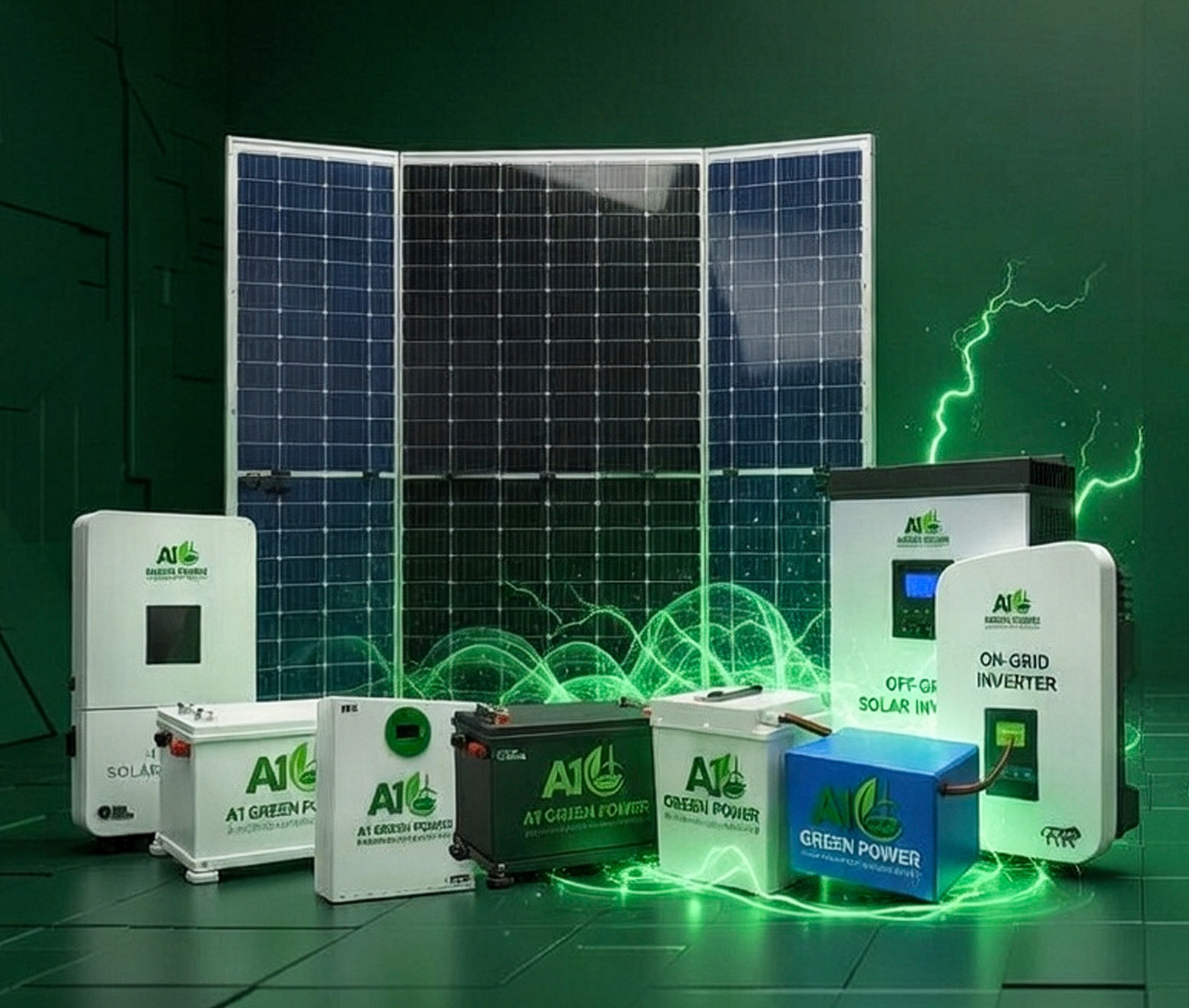
What Your Off Grid Solar System Actually Contains (And Why Each Part Matters)
Solar Panels—Where It All Starts
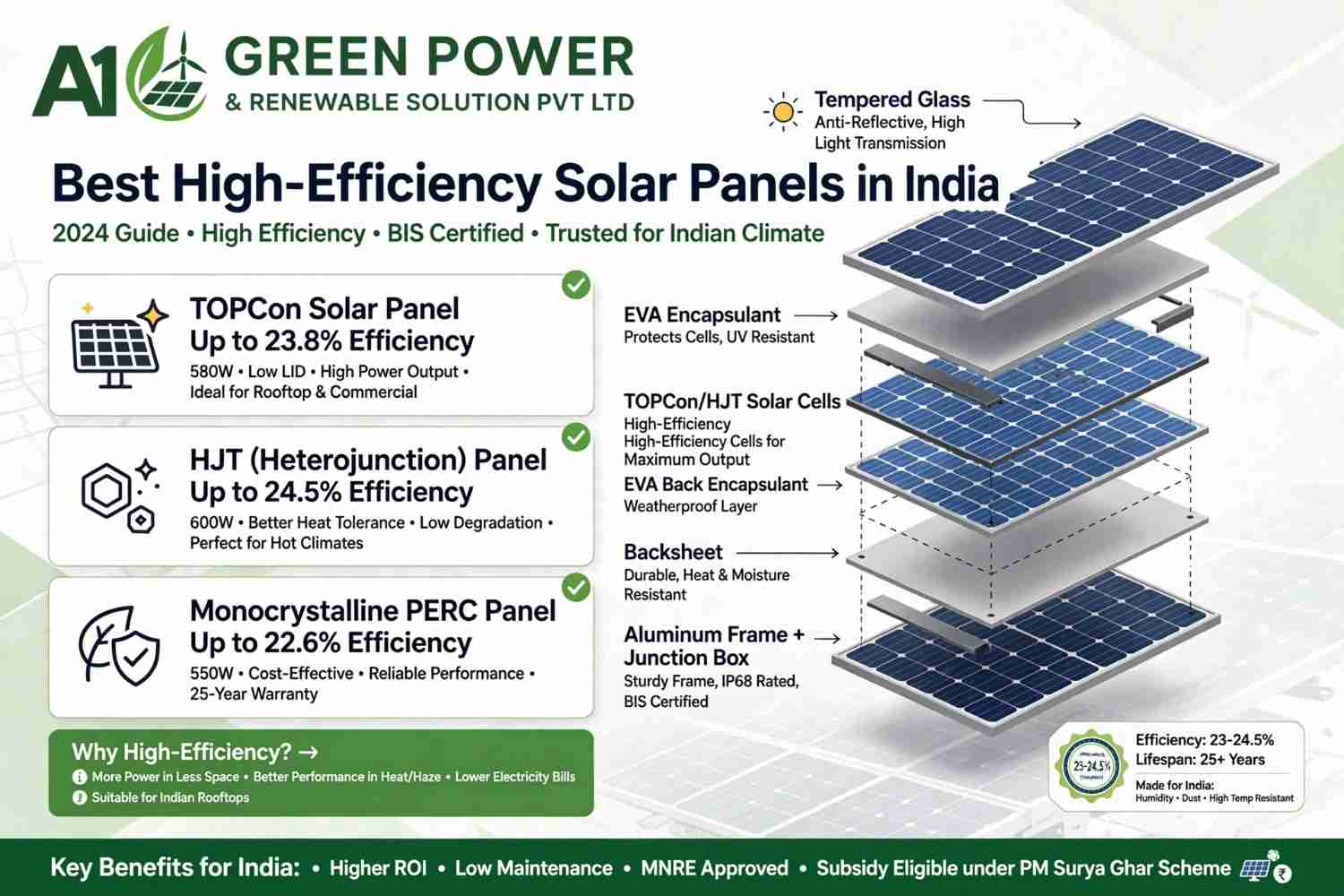
Solar panels are your energy source. I think of them as your personal power plant on the roof. In India, we typically use 300-watt or 400-watt panels. One 300-watt panel generates about 1.2 to 1.5 kilowatt-hours daily if you’re getting good sun.
Here’s something nobody tells you: the placement of panels matters enormously. South-facing roofs are ideal in India. But what if your roof faces east? Or west? What if there’s a tree nearby that creates shade? All of this affects output. This is why I personally inspect every roof. I take photographs at different times of day. I see where shadows fall. I understand what you’re actually working with.
Dirt is also real. I’ve seen panels covered in dust generate 30-40% less power. It’s not dramatic if you clean them monthly. Just water, a soft brush, and maybe a cloth. Takes fifteen minutes. Most villages find this easy to do. Some appoint a young person to handle it. Makes them feel invested in the system too.
Panels degrade slowly. After twenty-five years, they typically produce about 80% of their original output. That’s actually pretty good. You’re looking at essentially three decades of power generation. Most villages find this incredibly valuable.
Batteries—Where You Store Sunshine for Later
Batteries are honestly the most critical component. Without them, you only have power when the sun shines. That’s useless for a village. You need power at night. You need power on cloudy days. Batteries make that happen.
I’ve worked with two main types: lead-acid and lithium. Let me be honest about both.
Lead-acid batteries are cheaper. That’s their main advantage. They’re also heavy and require maintenance. You need to check water levels. They produce hydrogen gas. They need ventilation. They degrade faster. After three years, they’re significantly weaker. After five years, they’re usually done. But if you’re on a tight budget and you’re willing to replace them every few years, they work.
Lithium batteries are expensive initially. But here’s the math: a lithium battery lasts twelve to fifteen years. A lead-acid battery lasts three to five years. If you buy three sets of lead-acid over fifteen years, you’ve spent three times the money on batteries alone. Plus the hassle of replacement. Lithium starts making sense when you do the math properly.
I personally recommend lithium for most villages if they can manage the cost. Yes, it’s higher upfront. But the peace of mind is real. They require almost no maintenance. They tolerate deeper discharges. They work reliably for over a decade.
The Controller and Inverter—The Brain of Your System
The charge controller is a small device that’s incredibly important. It manages power flowing from panels to batteries. Without it, batteries would overcharge and fail. The controller regulates everything. It prevents damage. It optimizes charging.
There are two types: PWM and MPPT. PWM is simpler and cheaper. MPPT is smarter and more efficient. MPPT controllers capture about 15-25% more energy. Over a year, that’s significant. I usually recommend MPPT because villages can’t afford to waste free solar power.
The inverter is what lets you use your stored power. Batteries store DC electricity. Your devices need AC electricity. The inverter converts between these. A good inverter maintains steady voltage and frequency. Your fans run smoothly. Your lights are bright. Electronics work properly.
I’ve seen cheap inverters fail unexpectedly. The village is suddenly without power and the technician is hours away. That’s why I only install quality inverters. They cost more but they work when you need them.
Real Benefits I’ve Actually Seen in Villages (Not Just Theory)
What Actually Happens When a Village Gets Solar Power
I want to tell you what I’ve actually witnessed. Not the marketing speak. Real changes.
A village in Rajasthan installed our system two years ago. Before that, a health center operated with a generator. Diesel was expensive. They ran it maybe four hours daily. Vaccines weren’t properly refrigerated. Mothers came at night and there was no light for deliveries.
After solar, the health center has power 24/7. Fridges run continuously. Vaccines stay properly stored. Births happen under electric lights now. Last year, the center treated 8,000 patients. Previously, they could barely handle half that. The entire district’s health improved because one village got proper power.
Another village, in Maharashtra, I watched them install lights on the main road. Nobody expected what happened. Suddenly, people felt safe at night. A young woman started a tailoring business operating at night. Small shops stayed open later. Kids played safely after school. Crime decreased noticeably. The village came alive differently just from lighting.
A cooperative in Odisha installed solar at their meeting center. They now run electric equipment for handicraft work. Women who previously made crafts slowly by hand now finish work faster and better. They earn twice the income. That extra income sends kids to school. It buys food during lean months. That one installation changed economic reality for forty families.
These aren’t statistics. These are actual places. I’ve been there. I’ve met the people.
Health and Environment Actually Improve
Diesel generators are terrible for villages. They’re loud—you can’t have conversations. They produce fumes. Children develop respiratory problems. The smell is constant. Women refuse to work near the generator.
Solar is silent. No fumes. No smell. No constant maintenance. Health improves measurably. I’ve had village leaders tell me respiratory issues decreased. Kids sleep better because there’s no generator noise.
The environment improves too. No more diesel spills contaminating soil. No more pollution. The air becomes cleaner. It’s a real transformation people actually feel.
The Money Situation (The Honest Version)
Look, solar requires investment. Usually between 3-5 lakhs for a decent village system. That’s significant money. I won’t pretend otherwise.
But here’s the comparison: diesel generators cost money constantly. Diesel prices keep rising. You spend 5,000-10,000 rupees monthly just on fuel. Over five years, that’s 3-6 lakhs. Over ten years, it’s 6-12 lakhs. Meanwhile, your generator keeps breaking and needs repairs.
Solar costs money once. Then it generates free electricity for twenty-five years. After paying back the initial investment in five to seven years, you have essentially free power for another fifteen-plus years. The math actually favors solar when you look at full lifetime costs.
Plus, the government helps. There are subsidies. Central government covers 50% in many cases. Some states add more. Some villages end up paying only 1.5-2 lakhs instead of 4-5 lakhs. That’s completely different. That’s affordable.
And financing helps. Banks offer loans. Interest is subsidized. Many villages can manage monthly payments that are actually less than what they currently spend on diesel.
How We Actually Install These Systems (Step by Step, Honestly)
The Real First Visit
When our team comes to your village initially, we’re not trying to sell. We’re trying to understand. We walk around. We look at roofs. We talk to people. We ask about their actual power needs. We listen more than we talk.
I personally don’t trust solar companies that rush through surveys. They look at a roof for five minutes and quote a price. That’s lazy. Every village is different. Every situation is unique.
Our survey takes hours. We photograph the location at different times to see shadows. We understand your daily routine. When do you actually need power? Morning? Noon? Night? All day? Is it seasonal? Does summer need different power than monsoon? These answers determine system design.
We calculate your actual load. Not assumptions. Real calculations. We ask what appliances you want to power. How many hours daily? This determines panel size and battery capacity. Everything flows from understanding your actual needs.
Then we provide a detailed proposal. Not a vague quotation. Specific equipment. Specific installation timeline. Specific price breakdown. No surprises later.
Installation That We Actually Do Right
Once approved, our trained team handles everything. Not someone’s nephew who dabbles in electrical work. Professional technicians who’ve done this hundreds of times.
Installation typically takes five to seven days depending on system size. We handle all electrical work safely. We install proper grounding. We put safety switches everywhere. We test everything extensively before declaring the system complete.
I’ve been on installations where previous companies skipped important safety steps. That’s dangerous. We don’t cut corners. We don’t skip steps to finish faster. We do it right.
We document everything. Photographs of installations. Test readings. Safety inspection certificates. Warranty documents. Everything in writing. Everything clear.
Training That Actually Matters
Here’s where many companies fail: they install and leave. Villages are left confused about how to use their own system.
We stay and teach. We explain daily operation. We show how to check battery status. We explain what different indicators mean. We demonstrate cleaning panels. We answer questions patiently. In local languages. Not English.
We leave written guides in local language. Simple language. With pictures. So anyone can understand.
We give a phone number that actually works. Villages can call with problems. We respond within a day typically. If something needs fixing, we send a technician.
That commitment matters. Villages feel supported. They trust the system because they understand it and know help is available.
Maintenance That’s Actually Simple (I Promise)
What Villages Actually Need to Do Monthly
Solar maintenance isn’t complicated. It’s seriously straightforward.
Monthly: Clean panels. Take water, soft brush, cloth. Remove dust and bird droppings. Fifteen minutes. That’s it.
Check battery water level if it’s lead-acid. Simply open caps, look in. If low, add distilled water. That’s all.
Quarterly: Walk around the system. Look at connections. Are wires tight? Is anything loose? Tighten anything that needs it. Takes ten minutes.
Listen to the system. Normal operation is virtually silent. If you hear strange sounds, make a note. Call us if something seems wrong.
That’s genuinely all villages need to do. Most can handle this easily.
What Actually Breaks (Not Much, Really)
Here’s the honest part: solar systems are incredibly reliable. Panels don’t break easily. Batteries degrade slowly but predictably. Inverters typically last ten-plus years.
What actually needs replacement? Mainly batteries eventually. That’s the only real expense after initial setup. Panels might need replacement after twenty-five years. Inverters might need replacement after fifteen years. Most villages see no major replacement for a decade.
That’s reliability most people wouldn’t believe if they didn’t experience it.
Seasonal Adjustments That Help
In winter, sunlight is lower. Adjusting panel angle slightly improves capture. Takes thirty minutes twice yearly. Our technician can do it, or train someone local.
During monsoon, clouds reduce sunlight. You might need extra battery capacity or extra panels if you need consistent power. Some villages accept reduced power during monsoon. Others prefer maximum reliability. Either way, it’s planned.
Summer produces excess power. Some systems use this to warm water or run additional loads. Villages get creative.
The point: seasonal changes are manageable. They’re not surprises if you understand them.
The Government Money That’s Actually Available (Really)
Subsidies That Actually Exist and Actually Work
I won’t lie—navigating government schemes can be frustrating. But the money is real.
The central government’s Off-Grid Solar Applications scheme provides substantial support. For village systems, they typically cover 50% of cost. Forty percent in some cases. This isn’t hypothetical. Villages have actually received this support.
Individual states add more. Rajasthan has excellent subsidies. So does Maharashtra. Odisha as well. Different states have different schemes for schools, health centers, households. The money exists specifically to help villages.
Getting approved requires paperwork. Yes. Is it worth it? Absolutely. A village that gets 50% subsidy on a 4-lakh system suddenly needs only 2 lakhs. That’s life-changing.
Our team can help navigate the process. We know which forms to file. We know the right departments. We’ve done this many times. The process is frustrating but doable.
Financing for Villages Without Cash
Not every village has 2-4 lakhs sitting around. Banks understand this. They offer loans specifically for solar.
Interest rates are subsidized. Terms are reasonable. Five to seven years typically. A village can often manage monthly payments that are less than current diesel spending. Seriously. The monthly loan payment is less than monthly diesel costs.
Some banks have special schemes for community solar. Lower interest. Longer terms. Flexible repayment.
Cooperative banks sometimes offer better terms than national banks. Worth exploring locally.
The financing actually works. I’ve seen villages set up solar through loans they manage comfortably.
Real Villages, Real Results (Stories That Actually Matter)
One Village’s Complete Transformation
I want to tell you about a specific place because the details matter.
This village in Madhya Pradesh, about 150 families, total electricity access was zero. No grid. No generator. Just darkness. Children studied during daylight only.
We installed a 10-kilowatt system with battery storage. Cost: 4.5 lakhs. Government subsidy covered 2 lakhs. Village took a bank loan for 2.5 lakhs. Their contribution: 10,000 rupees collectively.
What changed:
The school now has power. Fans make classrooms bearable in summer. After sunset, lights work. Afternoon classes are possible. Enrollment increased 40% because girls could now attend evening study groups safely.
The health center has refrigeration for vaccines. Deliveries happen under proper lights. The doctor can sterilize equipment properly. Maternal mortality, which was high, dropped measurably.
Small shops now stay open evenings. Young people charge phones. A woman started sewing work in the evening. Three young men launched a phone repair shop. The village economy literally expanded.
The water pump runs on solar power. Earlier, women spent hours manually pumping water. Now it’s automatic. They have time for other work.
This took two years. The village will fully pay the loan in five years. Then they have free electricity for another twenty years. The transformation was real. I watched it happen.
Another Example That Shows Different Benefits
A coastal village in Gujarat, fishing community. Income seasonal. Money tight.
They installed a 5-kilowatt system specifically for refrigeration. Fish stays fresh longer. Quality improves. Price improves. Income increases.
Additionally, community lighting. Women can walk safely at night. Children study after school. Social life improved.
Cost: 3 lakhs. Subsidy: 1.5 lakhs. Village paid: 1.5 lakhs. Loan payment: 7,000 rupees monthly. Increased fish sales revenue: 15,000+ rupees monthly.
Math is simple. Extra income covers the loan and leaves money for other needs. That’s actually how it works on the ground.
Real Obstacles We Actually Face
I should be honest about challenges too. Not every installation is smooth.
Some villages have roof problems. Old construction. Can’t support panels. We need to build structures. Costs more. Takes longer.
Some villages have animals that climb roofs—monkeys, wild pigs. They damage wiring. We’ve had to install protective barriers.
Some villages’ water sources are salty—coastal areas. This corrodes connections faster. We use stainless steel instead of copper. Costs more but necessary.
Not all government subsidies process quickly. I’ve seen villages wait six months for approval. Bureaucracy is real.
Some villages lack the technical understanding initially. Training takes longer. But it works eventually.
None of these obstacles are impossible. They’re just real. They’re managed. Villages overcome them because the benefits outweigh the challenges.
Conclusion: Why This Matters and What You Should Actually Do
Solar isn’t a solution for tomorrow. It’s a solution for now. Villages across India are proving this daily.
I’ve worked in this space long enough to know what works. Off-grid solar actually works when it’s designed properly, installed professionally, and maintained consistently. Not perfectly. Not magically. Just actually works.
Your village probably deserves better than darkness. Better than diesel. Better than waiting for the government to run power lines that might never come.
Solar can change that. Not overnight. But definitely.
Here’s what I suggest: Contact us. We’ll visit your village personally. We’ll look at your situation honestly. We’ll tell you what’s realistic. We’ll explain costs clearly. If solar makes sense, we’ll show you how. If it doesn’t, we’ll tell you that too.
Our team at A1 Green Powers has actually installed systems in over 400 villages. We know what works. We know what doesn’t. We understand village needs genuinely—not as theory, but from experience.
Call us or visit https://a1greenpowers.com/ to arrange a free site survey. No pressure. No sales pitch. Just honest assessment of your situation.
Your village can have reliable, affordable electricity. I’ve seen it happen too many times to doubt it. Let’s make it happen for you too.





Leave A Comment