

Introduction
Look, I’ll be straight with you. Three years ago, my neighbor installed a solar inverter with battery backup India system. I thought he’d lost his mind. The investment seemed massive. But then summer rolled around with those brutal 6-8 hour blackouts, and I watched his house stay lit while mine didn’t.
That got me thinking. Really thinking.
I spent the next six months talking to people who’d already made the switch. I visited their homes. I asked annoying questions. I looked at their bills. What I found surprised me—not because solar inverter with battery backup India systems were miracle workers, but because they actually solved real problems in a practical way.
Here’s the thing nobody tells you straight up: power cuts in India aren’t just an inconvenience. They mess with your work, your health, your peace of mind. My father-in-law uses a CPAP machine at night. During blackouts, we were genuinely worried. My wife runs a small freelance operation from home—every blackout meant lost hours and missed deadlines.
A solar inverter with battery backup India system addresses these actual problems. Not by making electricity free (that’s marketing nonsense), but by giving you real control over when and how you use power. After talking to dozens of people and understanding how these systems actually work, I realized it’s worth documenting what I learned.
This isn’t going to be one of those glossy guides that oversells everything. I’m going to tell you what works, what doesn’t, what it costs, and whether it makes sense for your situation. That’s what solar inverter with battery backup India deserves—honest talk.
How This Actually Works (And Why Most People Get It Wrong)
The Simple Version
Most of us grew up with a basic understanding: sun equals power during the day, battery backup during blackouts. That’s not entirely wrong, but it’s like saying a car is just wheels and an engine. Missing the point entirely.
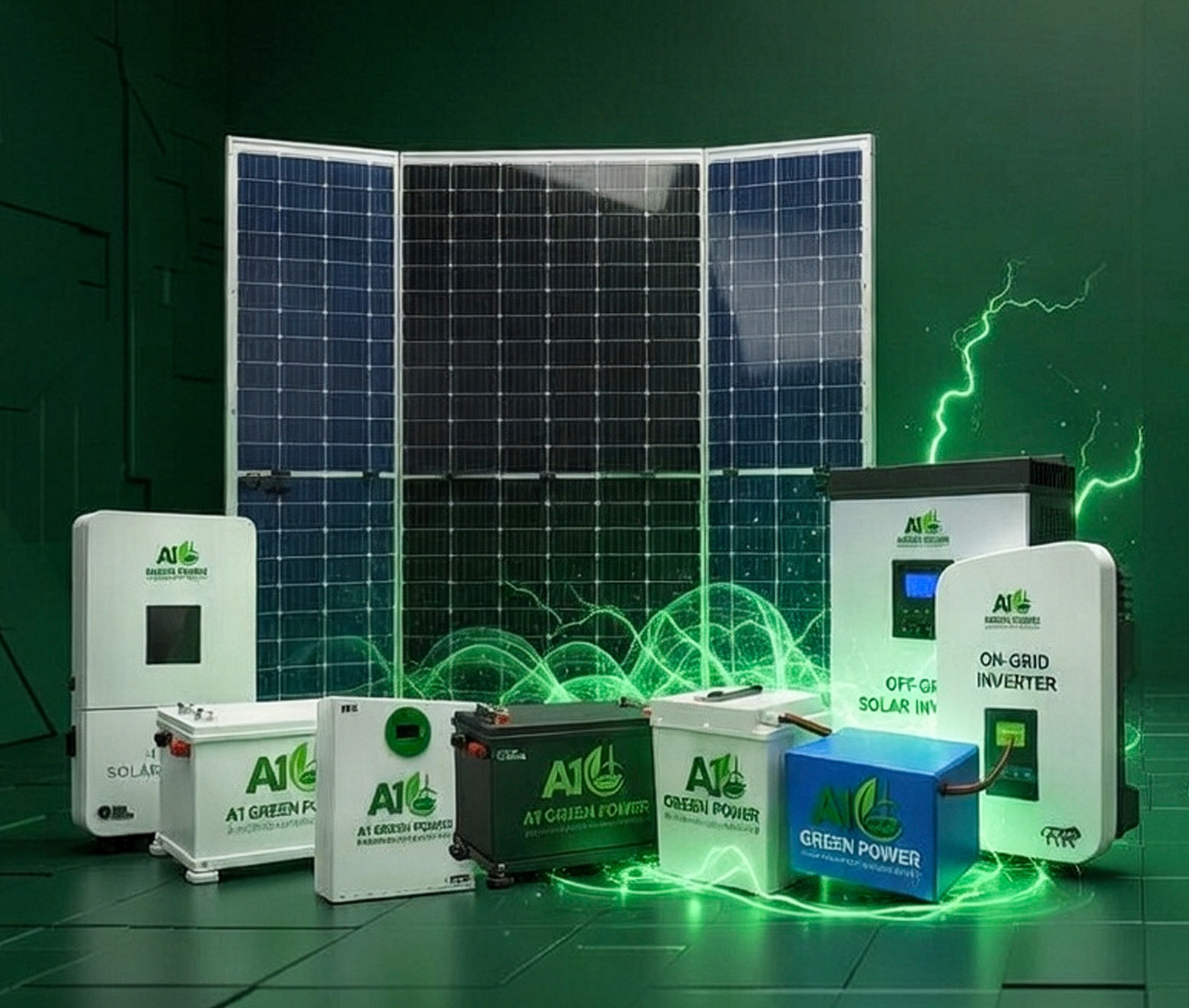
When you install a solar inverter with battery backup, you’re basically creating a mini power plant for your house. During sunny hours—and we get plenty of those in India—solar panels generate electricity. This isn’t complicated. Sunlight hits panels, electrons start moving, electricity flows out.
Here’s where most explanations fail: they don’t tell you what happens next. The electricity generated by your panels is DC (direct current). Your appliances need AC (alternating current). The inverter does that conversion. Think of it as a translator between your panels and your fridge.
Now here’s the part that actually matters: whatever electricity you don’t use immediately doesn’t disappear. It charges your batteries. That’s the game-changer. You’re not just using solar power when the sun’s shining. You’re storing it.
What Happens When the Sun Disappears
Evening comes. Cloud rolls in during monsoon. Your panels stop generating. This is where your batteries take over. Seamlessly. No drama. Just power.
I watched this happen at my neighbor’s place. There’s a moment—maybe 30 seconds when clouds block the sun—where the system switches from solar to battery. You can’t feel it. The lights don’t flicker. Your phone keeps charging. It’s genuinely smooth.
The batteries discharge slowly throughout the night, evening, whenever you need them. Intelligent systems manage this intelligently (there’s that word again). They don’t just dump all your battery power into the house. They calculate your typical usage patterns and dole it out. Some systems even predict cloud cover and adjust accordingly.
Morning comes, sun rises again, the cycle repeats.
The Grid Question
Here’s something I didn’t understand initially: many solar inverter with battery backup India systems stay connected to the grid. You’re not going full doomsday prepper, cutting yourself off from utilities entirely.
Think of it like having a backup plan to your backup plan. Your batteries are running low? The grid kicks in. No blackout. No stress.
Some states—and this matters where you live—let you do something called “net metering.” Any excess electricity your system generates (after charging your batteries, after powering your house) goes back into the grid. Your meter runs backward. They literally pay you for the electricity you generate.
I know people in Bangalore doing this. Their bill went from ₹4,000 monthly to ₹500. Some months they actually get credit. It’s not magic. It’s just practical physics and smart policy.
Why People Actually Do This (Spoiler: It’s Not Just About Saving Money)
The Power Cut Problem Is Real
I need to be honest here because this matters. India’s power infrastructure is under serious strain. The national grid can’t keep up with demand, especially in summer. So we get blackouts.
But here’s what nobody tells you: it’s not just irritating, it’s actually dangerous sometimes. Hospitals running on backup generators. Kids studying for exams in darkness. Medicines that need refrigeration going bad. People stuck in elevators. Elderly folks struggling in summer heat without fans.
A solar inverter with battery backup India system doesn’t prevent blackouts in your area. But it makes blackouts irrelevant to your life. Your lights stay on. Your AC keeps running. Your CPAP machine keeps your father-in-law breathing. Medical equipment operates normally.
I talked to a woman in Delhi who has diabetes. She needs her insulin refrigerated. Every blackout was nerve-wracking—wondering if she’d have to throw out expensive medication. After installing this system? She stopped worrying.
That’s worth something. That’s worth a lot, actually.
The Money Thing (It Actually Stacks Up)
Okay, here’s the financial reality because everyone wants to know this.
India’s electricity rates are going up. Every state, every year. My state raised rates 8% last year. The year before? 7%. This isn’t stopping. Coal is getting more expensive. Transmission costs are rising. We’re going to keep paying more.
A solar inverter with battery backup India system locks in your electricity price, essentially. Once paid for, the cost of sunlight is zero. Forever. Your panels will generate power for 25+ years. Your batteries will do it for 10-12 years. Even after you replace batteries once, you’re still ahead financially.
Let me give you actual numbers from people I know:
One family in Pune. Three-bedroom house, normal middle-class usage. They were paying ₹3,800 monthly. After solar inverter with battery backup India installation? Down to ₹1,200. That’s ₹2,600 every month. Multiply that by 12 months. ₹31,200 yearly. Over 10 years? ₹312,000 in savings. That’s substantial.
They paid ₹4,50,000 for the system installed. Sounds like a lot. But they’ll get that back in just over 14 years. Then another 11+ years of nearly free electricity.
I looked at the investment spreadsheet. After the payback period, it’s genuinely tough to beat as an investment. Not just because it saves money, but because you’re literally buying years of free power.
The Peace of Mind Factor
Here’s something economists can’t really quantify: knowing you won’t be helpless when the power goes out.
I talked to a guy running a small online tutoring business. He was losing ₹500-1,000 every time there was a blackout—students canceling, missing live sessions, his rating dropping. That was costing him students long-term. He installed a solar inverter with battery backup India system. Now blackouts are irrelevant to his business.
A woman with a home salon—her revenue completely depended on constant power. Blackouts meant she had to reschedule clients, refund deposits, lose regular customers. Same situation. Same solution. Game changed.
These aren’t huge companies. These are regular people making regular income. But that income depends on electricity. A solar inverter with battery backup India isn’t luxury for them. It’s operational infrastructure.
Even if you don’t run a business, there’s genuine psychological comfort in knowing you won’t be sitting in darkness if the grid fails. Sounds simple, but during your fourth blackout in a week, that comfort matters.
Different Setups (And How to Pick What Makes Sense for You)
The Completely Off-Grid Option
Some people go full independent. No grid connection at all. They generate all their power from solar and batteries. It’s possible. It’s also more complicated than it sounds.
You need to be really honest with yourself: can you accurately predict your power usage? If you want air conditioning 24/7, you need massive solar and battery capacity. That means massive investment. I know people who did this, and they had to completely change their lifestyle—running ACs during peak sun hours only, accepting limited evening power, etc.
Off-grid solar inverter with battery backup India systems make sense if you live somewhere without reliable grid access. Rural areas, remote locations. Or if you’re genuinely willing to change how you live. Most middle-class families in cities won’t want this trade-off. It requires behavior change that most people won’t stick with.
One guy I know tried it. Six months later, he got the grid connection reconnected because he got tired of adjusting his life to match his batteries’ capacity.
The Grid-Connected Route (Most Popular)
This is what most people do. You stay connected to the grid. Your solar panels generate power. Your batteries store power. When everything’s good, you use that. When you need more (because you have company over and everyone’s running AC, or monsoon covers the sky for three days), you pull from the grid.
It’s the practical middle ground. You’re not locked into rationing power. You don’t have to predict your usage perfectly. But you still get massive benefits from solar.
Most people installing solar inverter with battery backup India in cities do this setup. It’s flexible. It’s reliable. It doesn’t require changing how you live.
The Hybrid Smart Setup
Some newer systems do something clever: they watch electricity prices. In states with time-of-use billing (where electricity costs different amounts at different times), these systems get interesting.
Peak hours (usually evening, like 6-10 PM) have higher rates. Off-peak hours have lower rates. A smart system can charge your batteries during off-peak using cheap grid power. Then during peak hours, you use battery power. You’re basically playing arbitrage with electricity—buying cheap, using “expensive” power from your own storage.
I’ve seen people do this in Bangalore. Their bills dropped even more than just the solar portion. It requires a bit of attention and smart monitoring, but it works.
What You’re Actually Buying (The Real Components)
The Panels (They’re Pretty Straightforward)
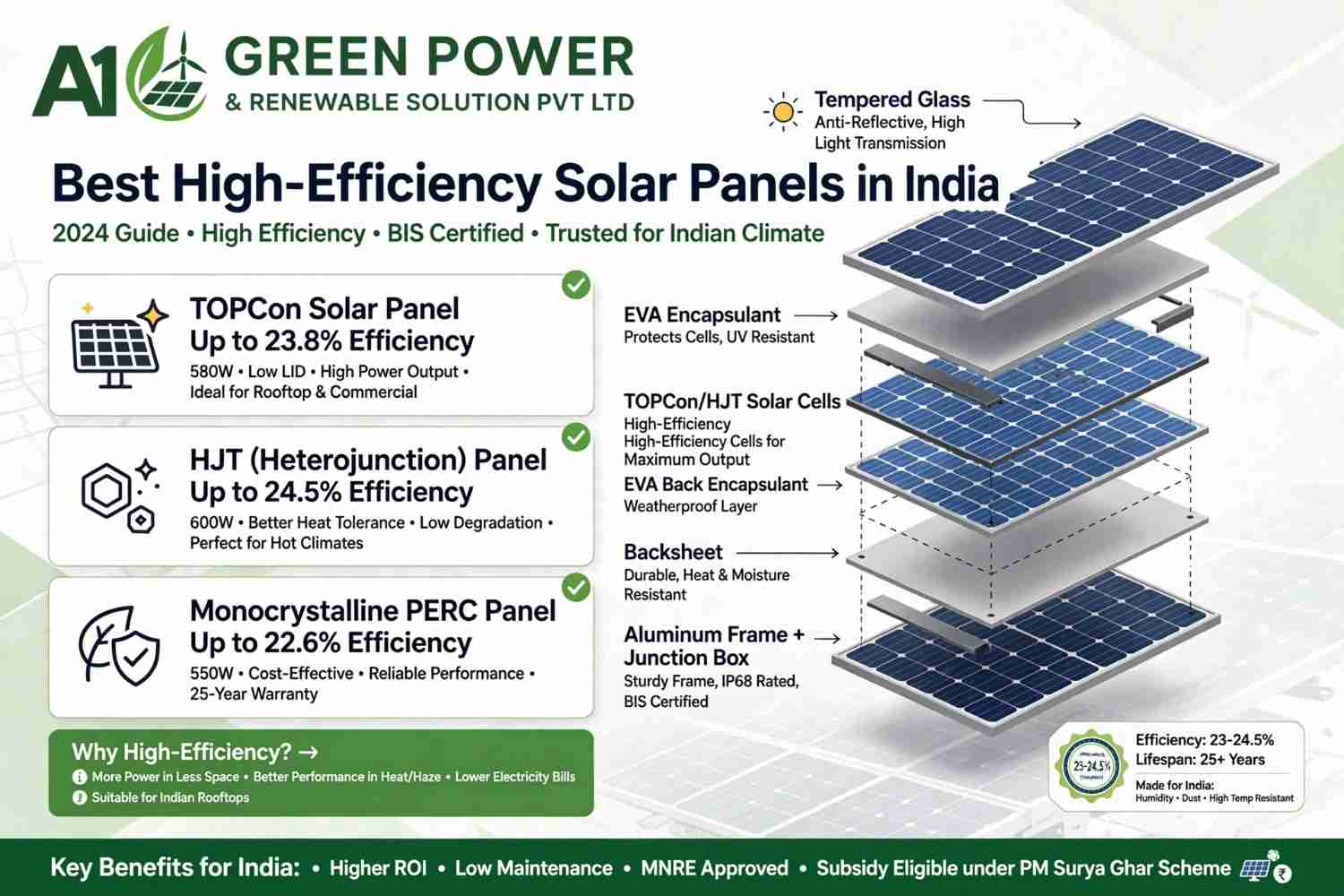
Solar panels are the least complicated part of this whole equation. Sun hits panel. Panel generates electricity. Modern panels are about 20-22% efficient, meaning they convert about a fifth of the sunlight energy they receive into usable electricity.
Panels last forever, practically. I’ve seen 30-year-old panels from the 1990s still generating power. Modern panels come with 25-year warranties. They degrade only slightly—about 0.5% annually. After 25 years, a panel is still working at 87% capacity. That’s impressive.
For a typical middle-class house, you need about 4-10 panels. A 400-watt panel costs around ₹8,000-12,000. So ₹32,000-1,20,000 depending on how much capacity you want. Panels are actually the cheap part of the system now.
They’re also pretty durable. Hailstorms? Rain? Temperature swings? Panels handle it. No moving parts. Nothing to maintain really—occasional washing during dust season. That’s about it.
The Batteries (Where It Gets Expensive)
Here’s where real money goes. Batteries are expensive. They’re also crucial.
Lithium batteries are the current standard. They’re better than old lead-acid batteries (which I won’t even get into because they’re honestly outdated). Lithium lasts 10-12 years. Lead-acid lasts 3-5 years. The cost per year of use? Lithium wins.
For a typical house, you’re looking at 5-10kWh capacity. That means your batteries can store that much electricity. If your daily usage is about 10kWh, a 10kWh battery gives you enough storage for a full night’s backup.
This costs serious money. A 10kWh lithium battery system runs ₹1,50,000-2,50,000 depending on quality and brand. That’s the biggest expense in your solar inverter with battery backup India system.
But here’s why it matters: good batteries maintain capacity for a decade. Bad batteries degrade quickly. You’ll replace batteries once maybe—after 10-12 years. By then, your system has paid for itself. You’re replacing a worn-out component with money earned from savings.
The Inverter (The Smart Brain)
The inverter is your system’s intelligence. It’s not just converting DC to AC. Modern inverters monitor everything—solar generation, battery capacity, grid power, your current usage. They make split-second decisions about where your electricity comes from.
Inverters range from ₹80,000-1,50,000 depending on capacity and features. Quality matters here because the inverter runs constantly. A cheap inverter can fail after 5 years. A good one runs 10+ years.
Smart inverters let you monitor everything from your phone. You can see how much power you’re generating right now. How much you’re using. How much is stored in batteries. Some systems even predict cloud cover and adjust accordingly.
I like this part because it gives you visibility. You’re not just buying a box and hoping it works. You can actually see what’s happening.
Actually Installing This Thing (What to Expect)
Finding Someone Competent
This matters more than people think. Installation quality affects everything—safety, efficiency, how long things last.
You want someone with actual experience. I mean at least 5-7 years doing solar work. Not some guy who took a weekend course. Someone with proper certifications. Someone who can show you completed installations they’ve done.
Check their work. Visit actual homes where they’ve installed systems. Talk to the people living with those systems. This isn’t hard to do. Most people are happy to talk about their systems.
A good installer will come to your house and assess it seriously. They’ll look at roof orientation (south-facing is ideal in India). They’ll check for shading—trees, buildings, antennas blocking sun. They’ll measure your actual electrical loads, not just guess. They’ll understand your local regulations and help you navigate permits.
The Timeline
Installation isn’t quick but it’s not horrible. Expect 3-5 days of actual work. Day one: assessment and planning. Day two: structural work—mounting panels, running electrical. Day three-four: inverter and battery installation. Day five: testing and setup.
But that’s just the installation. Before that, you’re waiting for equipment shipments, permits, approvals. After installation, you’re waiting for grid connection approval (if you’re staying grid-connected). Whole timeline? 4-8 weeks typically.
It’s not emergency urgent, but it’s not trivial either.
Permits and Legal Stuff
Most states require permits for grid-connected solar. Some require them for off-grid too. This varies dramatically by state and sometimes even by city.
Your installer should handle this. They should know the local requirements. They should manage the paperwork. If they’re acting confused about permits, that’s a red flag.
Also, check if your state offers subsidies. Many do. Central government, state governments, sometimes local governments. Some subsidies are automatic. Some require paperwork. Your installer should know these details. Some companies will handle the subsidy paperwork for you. Some won’t. Ask upfront.
Real Money Talk (What It Actually Costs and What You Actually Save)
The Full System Cost
A decent solar inverter with battery backup India system for a middle-class house runs about ₹4,00,000-6,00,000. Here’s roughly how it breaks down:
- Panels: ₹1,50,000-2,00,000 for 4-5kW
- Batteries: ₹1,50,000-2,50,000 for 10kWh
- Inverter and electrical: ₹80,000-1,20,000
- Installation labor: ₹40,000-60,000
- Miscellaneous: ₹10,000-30,000
You can spend less. You can spend more. Premium brands cost more. Budget brands cost less but might not last as long.
Subsidies can cover 20-40% depending on your state. So that ₹4,50,000 system might cost you ₹2,70,000 after subsidies. That’s material.
What It Actually Saves
This varies by location, consumption, and rates. But here are real numbers from people I know:
A three-bedroom house in a city using about 25-30 units per month at current rates (roughly ₹4-6 per unit depending on the state). Monthly bill around ₹3,600.
After solar inverter with battery backup India installation? Most days, they’re drawing almost nothing from the grid. Their average bill dropped to ₹1,200 monthly. ₹2,400 saved every month.
That’s ₹28,800 yearly. Over 20 years, that’s ₹5,76,000. But here’s the thing—electricity rates usually go up 5-7% annually. So actual savings are higher.
Payback period in this scenario? About 14-15 years. After that, another 11+ years of massively reduced power costs. Or you replace batteries and go another decade.
The Real ROI Picture
If you’re purely looking at financial return, solar inverter with battery backup India makes sense after 12-15 years. That’s not bad actually. Better than many investments in India right now.
But most people I talked to don’t buy these systems for pure investment return. They buy them because:
- They’re tired of blackouts affecting their life
- They want independence from rate hikes
- They want backup power reliability
- They want to do something for the environment
The financial returns are real and substantial. But they’re kind of the bonus, not the primary reason.
Picking an Actual Company (Because Not Everyone Is Honest)
What You Should Actually Check
Reputation matters, but online reviews can be faked. Ask people in person. Go to a neighborhood where they’ve installed systems. Ask the residents directly.
Check how long the company’s been operating. New companies fold constantly. Established companies with actual service centers nearby matter. If something breaks three years in, you want actual people to show up, not a phone that nobody answers.
Ask about warranties carefully. What does the battery warranty actually cover? Does it cover degradation? Does it cover if you exceed charge cycles? Warranties sound great until you read the fine print.
The Red Flags
If someone quotes you a system and doesn’t visit your site first, that’s a red flag. They’re guessing. A good assessment takes time.
If they’re promising unrealistic savings (“your bill will be zero”), that’s not honest. Most people still get small grid bills because peak rates or unavoidable consumption.
If they’re pushy or dismissive of questions, move on. This is a major investment. You should feel confident you’re working with someone competent and honest.
If they can’t explain how the system actually works or keep using buzzwords without real explanation, they might not fully understand it themselves.
After-Sales Service Matters
Will they respond if there’s an issue? How quickly? Do they have spare parts available? Can they send a technician within a day if something breaks?
I know people whose system broke and it took three weeks to get someone out because the installer didn’t have local service. That’s frustrating when you’ve invested this much money.
Choose someone with service centers or authorized service partners in your area. Responsiveness matters for peace of mind.
Conclusion: Should You Actually Do This?
Here’s my honest assessment after talking to dozens of people and researching this extensively:
A solar inverter with battery backup India system makes sense for most middle-class Indian homes. Not because it’s some miracle solution. Because it solves real problems (blackouts, rising electricity costs) in a practical way with real financial returns.
If you work from home, run a business from home, or have family members dependent on continuous power (medical equipment, etc.), the benefits are clear and immediate.
If you’re just tired of sitting in darkness during blackouts and want peace of mind, that has value too.
The investment is substantial. But the payback is real. Within 15 years, you’ve recovered your money. After that, you’re essentially living with free electricity.
Is it perfect? No. You still need batteries. Batteries degrade. You’ll replace them. Panels need occasional cleaning. Some states have better policies than others. Not every location gets equal sun.
But for most Indians, in most situations, with most current electricity costs? The math works. The practicality works. The peace of mind works.
Contact A1 Green Powers for an honest assessment. Visit https://a1greenpowers.com/ and talk to someone who’ll actually evaluate your specific situation. Don’t install solar because some article told you to. Install it because it makes sense for your life, your location, and your budget.
Get a real quote. Ask the hard questions. See actual completed installations. Then decide.
That’s how intelligent decisions get made—with real information, not marketing promises.







Leave A Comment