

Introduction
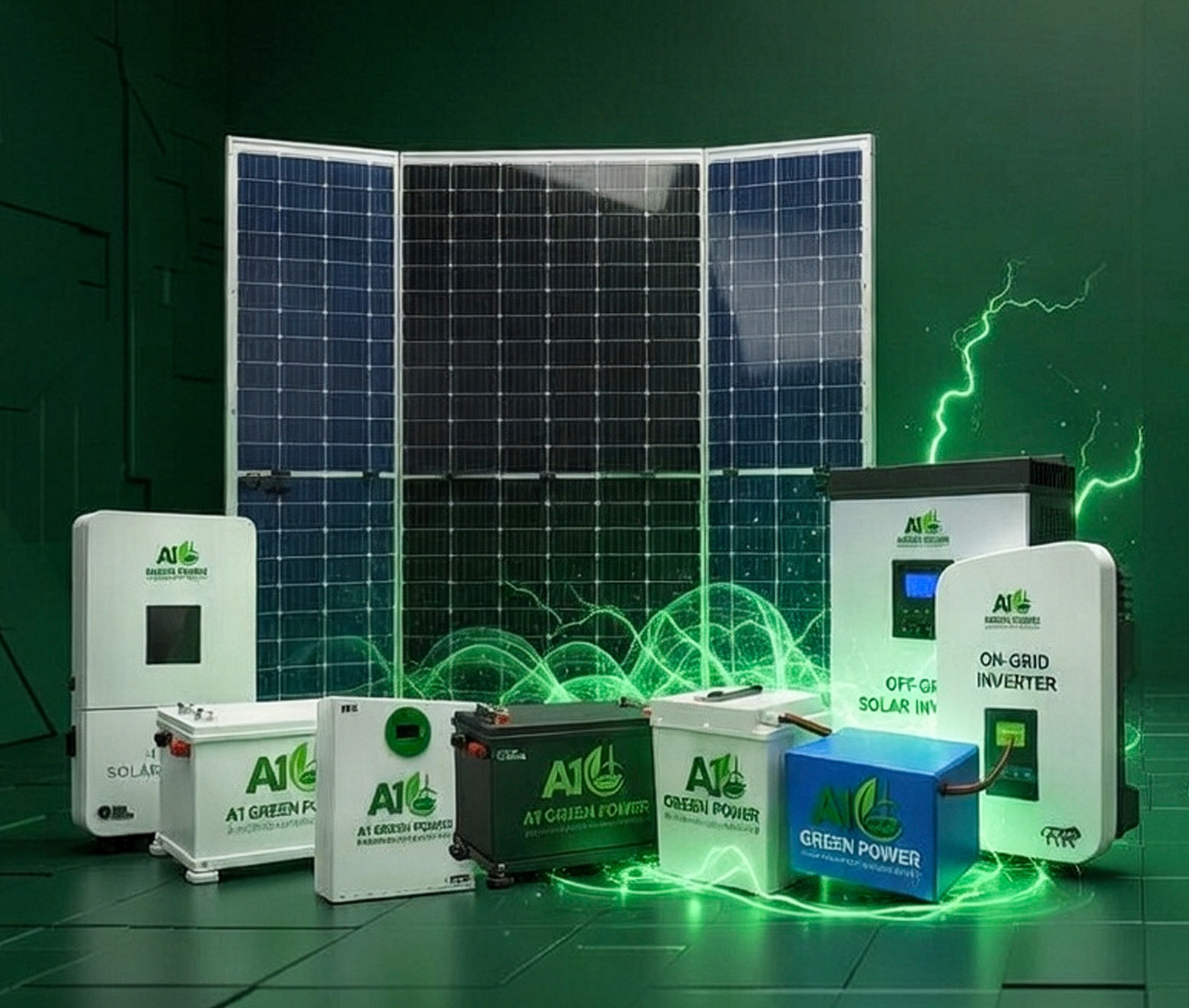
I’ve been working in the solar industry for over a decade now, and I can tell you that one of the most common questions I get from potential customers is: “What does PCU stand for?” It’s funny because it’s such a fundamental part of any solar setup, yet most people have never heard of it before they decide to go solar.
PCU stands for Power Conditioning Unit. Honestly, when I first started in this industry, I thought it was just a fancy name for an inverter. But I quickly learned it’s actually much more than that. It’s basically the translator between your solar panels and your home—and it’s doing way more work than most people realize.
Here’s the thing: your solar panels generate one type of electricity, but your home needs a different type. That’s where the PCU comes in. Without it, your solar investment would be completely useless. The panels would just sit there generating power that you couldn’t actually use. So understanding how a PCU works isn’t just technical trivia—it directly impacts how much money you save and how long your system lasts.
I’ve seen too many people sign up for solar systems without really understanding what a PCU does. They end up with subpar equipment or inadequate systems because they didn’t know what questions to ask. That’s why I want to break this down for you in plain English, the way I’d explain it to my own family.
Why Your Solar System Actually Needs a PCU (And Why Most People Get This Wrong)
Let me be straight with you: I’ve had customers call me six months after installation asking why their system doesn’t work in a blackout. The answer? They didn’t understand what their PCU actually does. Most people think the PCU is just converting electricity. That’s technically true, but it’s like saying a car just has wheels—it’s accurate but it misses the whole point.
Your solar panels create direct current electricity. You know, the same kind that comes from a battery. But your house runs on alternating current, which is different. It’s not just a different type—these two types of electricity behave completely differently. Trying to use DC power in your home’s AC outlets would literally destroy your appliances. So your PCU sits between the panels and your home, constantly converting one to the other.
But here’s where it gets interesting. The PCU doesn’t just flip a switch and convert the power. It’s actively managing everything. It’s monitoring the voltage coming from your panels. It’s adjusting its output based on what your home needs. It’s protecting your system if something goes wrong. It’s constantly communicating with the grid if you have a grid-connected system. This thing is working hard.
What Happens Without a Quality PCU
I had a customer once who went with the cheapest PCU option available. I warned him against it, but he said it was all his budget could handle. Six months later, he called complaining that his system wasn’t producing as much power as he’d been promised. We did an inspection and found that his cheap PCU had efficiency issues. Basically, it was losing about 8% of the solar energy in the conversion process. Over the life of his system, that would cost him thousands in lost savings.
That’s when it really hit home for me how important it is to get this right the first time. The PCU you choose affects your returns for the next 25 years. It’s not something to penny-pinch on.
How a PCU Actually Works (The Real Version)
Alright, so I’m going to walk you through what’s actually happening inside your PCU, but I’m going to do it without all the technical jargon that makes people’s eyes glaze over.
When sunlight hits your solar panels, they generate DC electricity. This power flows into your PCU. Now, here’s where it gets interesting—the PCU doesn’t just instantly convert this to AC. Instead, it samples the incoming power hundreds of times per second. It measures the voltage, the current, the frequency. Then it makes tiny adjustments to convert the DC into AC that matches exactly what your home needs.
If you’ve ever tried to drive a nail with a hammer and hit it wrong, you know you have to adjust your swing. The PCU is doing the equivalent of that, but hundreds of times per second. It’s constantly fine-tuning the conversion to be as efficient as possible.
The Monitoring Part (This Is Actually Cool)
Here’s something I love about modern PCUs: they give you real-time data about your system. You can literally watch your panels generate power. I’ve had customers tell me they became obsessed with checking their app, seeing how much power they produced that day, comparing yesterday’s production to today.
But this isn’t just for fun. The monitoring data tells you if something’s wrong. If production suddenly drops when there’s no cloud cover, you know something needs attention. I had a customer whose PCU flagged a degraded string of panels before the output drop was even visible to the naked eye. We caught a wiring issue before it could cause real damage.
Safety Features You Don’t Even Think About
Your PCU is also your system’s security guard. If there’s a surge in voltage, it detects it and stops it before it reaches your home. If there’s a ground fault, it catches it immediately. If the grid goes down, it knows to disconnect and shut down—this is actually a legal requirement in many places because utility workers need to know that your panels won’t suddenly energize the lines they’re working on.
I’ve been doing this long enough to know that safety isn’t sexy or exciting, but it’s probably the most important thing your PCU does. It’s sitting there every single day, watching for problems that might never happen but absolutely will ruin your day if they do.
What PCU Features Actually Matter When You’re Choosing One
This is where I see people make mistakes. They either focus on the wrong things, or they don’t think about the future. Let me walk you through what actually matters.
Efficiency Rating (This Isn’t Boring, I Promise)
When manufacturers list efficiency ratings, they’re telling you what percentage of the solar power actually makes it into your home. The difference between 92% and 96% efficiency might sound small—it’s only 4%—but over 25 years, that’s significant money.
Let’s do the math. If you have a 5kW system and it produces 6,000 kWh annually in your area, the difference between those two efficiencies means about 240 kWh per year ends up as waste heat instead of going to your house. That’s roughly $30-40 a year depending on your electricity rates. Over 25 years, that’s $750-1,000 you just lost. And that’s on a modest system.
String vs. Microinverter Design (Where Things Get Real)
There are basically two ways to design your PCU system: string and microinverter. This is actually a bigger decision than most people realize.
With a string setup, all your panels are connected together feeding into one central PCU. It’s simpler, it’s cheaper, and if you have a relatively uniform roof without shade, it works great. But here’s the problem: if one panel is underperforming, it drags down the whole string. I’ve seen situations where one shaded section of roof causes the entire system to produce less.
Microinverters are different. You put a small inverter on each panel. This costs more upfront, but each panel operates independently. If one panel is shaded, the others keep running at full capacity. Over 25 years on a house with some shade issues, the microinverter setup often makes more financial sense despite the higher initial cost.
Future-Proofing (Think Ahead)
Here’s something I always ask customers: are you planning to add panels in five years? Maybe you’re thinking of adding a battery backup system? Do you expect your energy needs to change?
Some PCUs allow you to expand without replacing the unit. Others would require a complete replacement. Thinking about this in advance saves you thousands down the road. I’ve had customers who swore they’d never add batteries, then life changed—they had kids, they started working from home, their energy needs shifted. They were stuck because their PCU couldn’t be upgraded.
Warranty and Support (This Matters More Than You’d Think)
A good PCU manufacturer backs their product. I’m talking 5-10 year warranties minimum. But more importantly, they have responsive customer support. I’ve dealt with manufacturers who take weeks to respond to issues, and manufacturers who get you talking to a technician the same day.
The warranty is one thing. The actual support is another. When there’s a problem—and sometimes there is—you want a company that cares about fixing it quickly. Your PCU has a direct impact on your daily life. If it goes down, your system isn’t producing. You want a manufacturer that understands this.
Real Talk: What I Look For When Recommending PCUs
After all these years, I’ve developed a pretty solid sense of which PCUs are worth recommending and which ones I’d avoid. Let me give you the real criteria.
First, I look at actual reliability data. Not just test results from the manufacturer, but real-world performance data from installers in the field. When I talk to other solar companies, I ask them about failure rates. Some brands show up in these conversations way too often.
Second, I consider the specific conditions in our area. In Delhi, we deal with heat. Your PCU has to handle temperature fluctuations. Some units perform fine in California’s mild climate but struggle in our hotter conditions. That’s not a flaw—it’s just physics. You need a unit designed for your specific environment.
Third, I think about your actual usage pattern. Are you home during the day? Do you work nights? Do you run your AC constantly? Your daily pattern affects how a PCU should be configured and what features matter most.
Fourth, I’m honest about budget constraints. The best PCU in the world doesn’t matter if you can’t afford to go solar because of it. I look for the best unit within your budget, not the most expensive option.
Why We Recommend What We Recommend
At A1 Green Powers, we don’t have exclusive manufacturer relationships where we’re pressured to recommend specific brands. That actually matters. We recommend what we genuinely believe is right for each customer’s situation.
I’ve had to tell customers “no” before. One family came in wanting a system, but their roof situation was problematic—partial shade, awkward angles, structural concerns. I could have sold them a system and made money, but it wouldn’t have performed well. Instead, I told them to fix some roof issues first or plant trees to deal with the shade issue. We ended up doing business a year later, and they got a system that actually works.
That’s the kind of advice you want. Someone thinking about what serves you best, not just what makes a sale.
Common Problems I See (And How to Avoid Them)
In my years doing this, I’ve seen patterns of issues that repeat. Let me warn you about the ones I see most often.
Poor Installation
A PCU is only as good as its installation. I’ve seen units installed incorrectly, connected to the wrong size wiring, or placed in poor locations. I once found a PCU literally cooking in a utility closet with no ventilation. It was operating at reduced efficiency because it was too hot. The homeowner was losing money daily and didn’t even know it.
Make sure whoever installs your system knows what they’re doing. Ask about certifications. Ask for references. Take the time to verify that the job was done right.
Not Matching Panel and PCU Specifications
Your PCU needs to be sized appropriately for your panels. Oversizing or undersizing causes efficiency losses. I’ve seen customers install panels sized for future expansion, but they bought a PCU rated for only the current installation. That’s a wasted opportunity.
Ignoring the Monitoring Data
Here’s the thing that always surprises me: many customers ignore the monitoring system. They install a complex monitoring setup and then never check it. These systems can alert you to problems early. If you’re not paying attention to the data, you’re missing out on valuable insights.
I always spend time with customers teaching them how to use their monitoring system. I show them what normal looks like. I show them what to watch for. When they understand the data, they take better care of their system.
Conclusion
After everything I’ve explained, here’s what you really need to understand: your PCU is the heart of your solar investment. It’s not just a piece of equipment—it’s what determines whether you actually save money or just have expensive panels sitting on your roof.
The PCU converts the power your panels generate into electricity your home can use. But it also protects your system, monitors performance, manages efficiency, and connects to the grid. Getting the right PCU means the difference between an investment that pays dividends and one that disappoints.
This is why I always recommend talking with someone who really understands these systems. Not someone trying to make a quick sale, but someone who actually cares about whether your system works well for the next 25 years.
If you’re thinking about going solar, or if you’re already thinking about it but confused about all the technical details, reach out. We’d genuinely like to help. Call A1 Green Powers at your convenience, and we’ll walk through everything with you. No pressure, no sales tactics—just honest conversation about what makes sense for your situation.
Your energy independence is waiting. Let’s make it happen the right way.







Leave A Comment